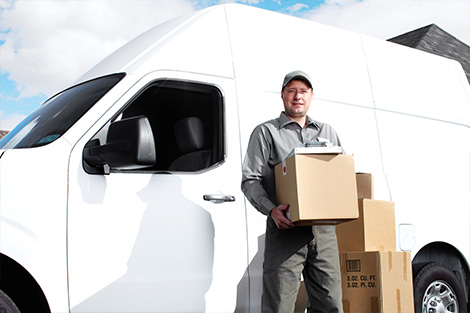
Health & Safety Policy for Streatham Man with Van Rubbish Services
 Purpose: This Health and Safety Policy sets out the approach and standards adopted by Streatham Man with Van and allied rubbish removal services to protect employees, contractors, clients and the public. The policy applies to routine waste and rubbish collection, clearance tasks, bulky item removals and any temporary storage or transfer activities undertaken within our service area. It is the responsibility of every team member to follow these standards and contribute to a safe working environment.
Our objectives include maintaining safe vehicles and equipment, reducing the risk of injury during manual handling, controlling exposure to hazardous materials and ensuring compliance with applicable safety best practices for a local rubbish company service area. Key commitments include risk assessment, provision of suitable protective equipment, planned training and robust incident reporting procedures.
 Scope: This policy covers all operations carried out by Streatham man and van teams, including loading, transportation, sorting and lawful disposal of waste. It applies to employees, subcontractors, casual operatives and temporary staff, as well as any authorised persons working on behalf of the man with a van rubbish service. The policy complements existing operational procedures and should be read alongside specific task risk assessments.
Responsibilities and Management
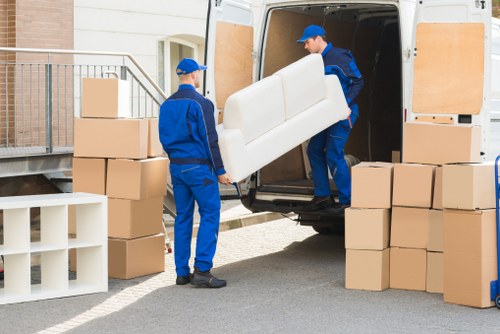
Management will ensure that adequate resources are allocated to health and safety. Line managers and supervisors are responsible for implementing this policy on a day-to-day basis, conducting site and vehicle inspections and ensuring operatives are competent and fit for tasks assigned. Employees must cooperate with procedures, use provided personal protective equipment and report hazards without delay. Shared responsibility encourages everyone to identify improvements and raise concerns through formal channels.Risk assessments will be carried out for common tasks such as manual handling of bulky items, loading/unloading at mixed-access properties, working near public thoroughfares, operating tail-lifts and handling recyclable and non-recyclable rubbish. Controls identified may include two-person lifts, use of mechanical aids, traffic management where necessary and segregation of hazardous materials.

Training, Competence and PPE
All operatives will receive training in manual handling, safe vehicle operation, hazardous waste awareness and emergency procedures relevant to a rubbish collection and removal business. Training records will be maintained and refreshed at appropriate intervals. Personal protective equipment such as high-visibility clothing, gloves, safety boots and eye protection will be provided and must be worn where required. Staff are expected to inspect and report damaged PPE to their supervisor immediately.Operational controls for the rubbish removal service area include vehicle maintenance schedules, secure load practices, clear procedures for handover of materials at disposal sites and controls to prevent unauthorised access to stored waste. Vehicles will be parked to minimise obstruction and hazards to the public. Where operations take place near public spaces, temporary signage and barriers will be used to protect passersby. Vehicle checks are required before each shift and documented in daily logs.
Waste classification and segregation are essential parts of safety management. Operators must identify hazardous items such as batteries, solvents, asbestos-containing materials and electronic waste and follow the correct containment and disposal routes. If uncertainty arises, the item must be isolated and escalated for specialist handling rather than moved by general operatives.
 Emergency Procedures and Incident Reporting: In the event of an accident, spill or near-miss, operatives must follow emergency protocols, ensure immediate safety of people involved and notify management promptly. All incidents will be investigated to identify root causes and preventive actions. Records of incidents and corrective actions will be maintained and reviewed as part of continuous improvement.
 Monitoring, Review and Continuous Improvement: Health and safety performance will be monitored through scheduled audits, vehicle inspections, toolbox talks and review of incident trends. Outcomes will inform updates to risk assessments, training and operational procedures. The policy will be reviewed at least annually or after significant changes to operations, equipment or legislation affecting rubbish collection and man with van services.
We emphasise the need for clear communication on-site, including pre-job briefings for complex or higher-risk tasks. Safe systems of work will be documented for repeat activities and made available to staff. Non-compliance with safety requirements will be addressed through supervision, retraining or formal disciplinary steps where necessary to protect the team and public safety.
By adhering to this Health & Safety Policy, Streatham removal and rubbish teams commit to delivering a reliable, safe and professional man with a van rubbish collection service. This policy is a living document: it is intended to evolve in line with operational experience and recognised best practice for the waste and removal sector.