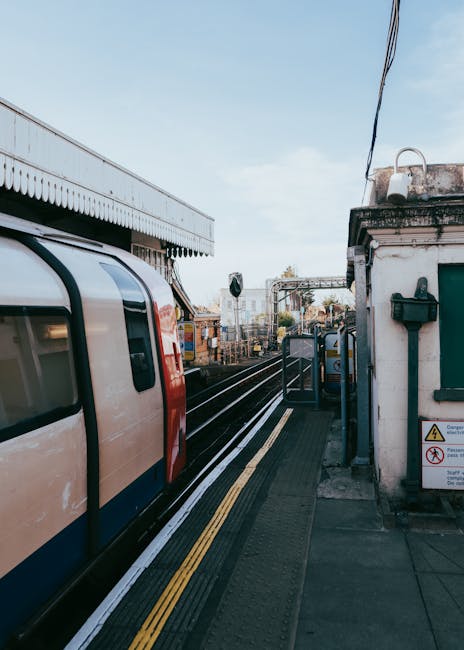
Streatham Hill Removals Guide: Narrow Streets and Parking Tips
Moving in Streatham Hill can feel simple on paper and then suddenly complicated the moment a van meets a tight corner, a parked car, and a road that seems to shrink by the metre. That is exactly why this Streatham Hill removals guide narrow streets and parking tips exists. If you are planning a house move, flat move, or even a small office relocation in the area, a little local know-how can save you time, stress, and a lot of unnecessary carrying back and forth.
The good news? Most problems are predictable. Narrow residential roads, limited waiting space, busy peak hours, and awkward access are all manageable if you plan properly. In this guide, you will learn how removals work in Streatham Hill, what to do about parking, how to avoid common mistakes, and when a smaller vehicle or a more flexible service makes life easier. Simple enough, really - but the details matter.
Why Streatham Hill removals guide narrow streets and parking tips Matters
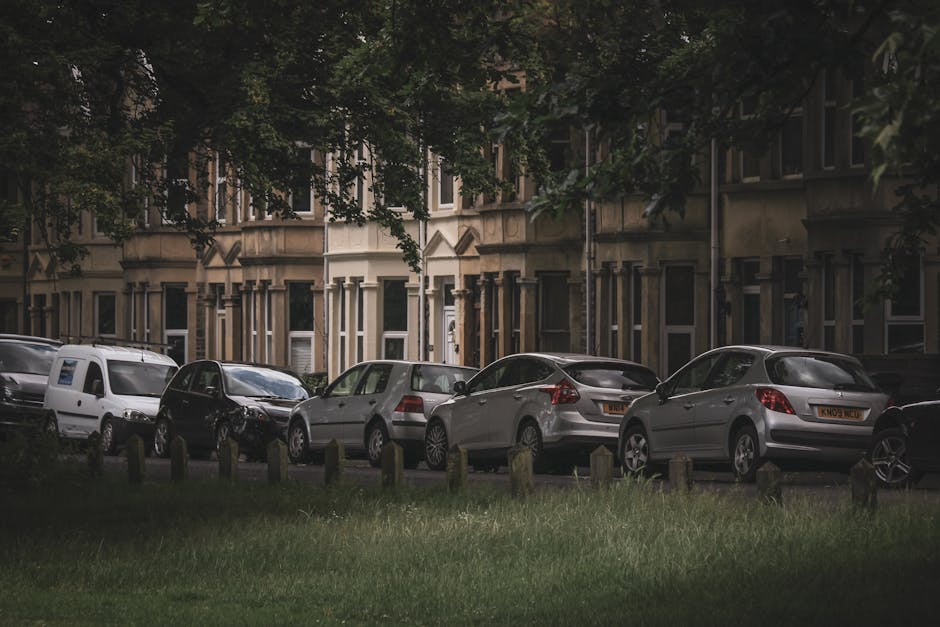
Streatham Hill is one of those London areas where the moving day challenge is often less about the number of boxes and more about access. A property may look straightforward inside, but the outside can tell a different story: terraced streets, cars parked tightly on both sides, limited turning room, and loading areas that disappear just when you need them. If your vehicle cannot stop close enough, every extra metre turns into more lifting, more time, and more risk of damage.
That is why planning around street layout and parking is not a minor detail. It affects the order of loading, how many trips the team needs to make, whether larger furniture can come out safely, and how quickly the whole move finishes. On a wet morning, with narrow pavements and a neighbour trying to squeeze past, those small decisions become the difference between a calm start and a chaotic one.
It also matters because removals in busy residential areas are rarely done in a vacuum. There may be school-run traffic, delivery drivers, bin lorries, or residents coming and going. If you have ever tried to reverse a van while someone politely but firmly waits behind you, you will know the feeling. Not ideal.
The practical answer is not to panic. It is to treat access as part of the move itself, not something to figure out on the day. For many households, a smaller vehicle and a flexible loading plan work better than a large truck. For larger moves, it may be worth considering a broader service such as home moves or a more robust vehicle option like removal truck hire, depending on what the street can realistically handle.
How Streatham Hill removals guide narrow streets and parking tips Works
The core idea is simple: reduce the distance between your front door and the vehicle, and make every minute of loading count. In practice, that means matching the vehicle size, arrival time, packing approach, and parking plan to the local road conditions. A good move starts with access planning, not with lifting a single sofa.
Here is how the process usually works in a narrow-street area like Streatham Hill:
- Assess access from both ends. Check the street width, corner turns, pavement width, and where a vehicle can stop without blocking driveways or creating unsafe congestion.
- Decide on vehicle type. A smaller man with van service is often easier in tight streets than a larger truck, especially where parking is limited.
- Plan the loading order. Put the largest or heaviest items near the exit point and keep the rest arranged so the team can work in a straight, efficient flow.
- Time the arrival carefully. Mid-morning or early afternoon can be easier than school-run or commuter-heavy periods, though local patterns vary.
- Reserve a sensible stopping point. If the vehicle cannot park directly outside, identify the nearest practical alternative and factor in the extra carrying distance.
- Keep the route clear. Remove loose rugs, door stops, bike locks, and anything else that creates a trip hazard or slows the handover.
One useful thing to remember: the best parking spot is not always the closest one on the map. It is the one that allows a safe, legal, and efficient load. That sounds obvious, but on moving day people often drift into wishful thinking. "Maybe the van can just wait here for ten minutes." Sometimes yes. Often no.
If your move involves fragile packing, it can help to use a service that bundles both handling and packing support, such as packing and unpacking services. It takes pressure off the first hour, which is usually the hour that goes a bit sideways if you let it.
Key Benefits and Practical Advantages
Planning for narrow streets and parking does more than avoid fines or awkward reversing. It changes the whole feel of the move. The biggest gain is momentum. When the vehicle is positioned correctly and the access route is clear, boxes move faster, heavy items are safer to handle, and everyone has fewer chances to get flustered.
There are a few other advantages worth calling out.
- Less risk of damage: Shorter carrying distances mean fewer bumps on walls, bannisters, and door frames.
- Less fatigue: Moving a washing machine or wardrobe through a narrow hallway is enough work already; adding a long carry up the street makes it worse.
- Better control of timing: If access is planned, the move is more likely to stay on schedule, even if one part takes longer than expected.
- Less pressure on neighbours and traffic: A tidy, well-organised loading plan is easier for everyone around you.
- Better vehicle choice: You can choose a service that fits the street instead of forcing the street to fit the service.
There is also a commercial benefit if you are moving a small business or office. Delays caused by parking and access quickly become expensive because staff time is tied up and the day keeps stretching. In those cases, an arranged commercial moves or office relocation services option can be the calmer route.
And yes, in some situations the simplest advantage is emotional. You just feel more in control. That counts for a lot on moving day, honestly.
Who This Is For and When It Makes Sense
This guide is useful for anyone moving in or around Streatham Hill who expects awkward access, limited parking, or a property that sits in a busy residential street. That includes flats above shops, maisonettes, terraced houses, and rental properties where the only real unloading space is a patch of road that everyone else also wants.
It makes particular sense if you are:
- moving from a flat with no driveway or private forecourt
- relocating with bulky items like wardrobes, sofas, or appliances
- trying to move during a busy weekday
- sharing the street with restricted stopping or heavy resident parking
- coordinating a same-day move-in and move-out
- balancing moving day with children, pets, or work calls - which, let's face it, is most people
If you are only moving a few items, a flexible man and van service may be enough. If you have a full household, then a larger move plan may be better, even if that means splitting the load or using multiple trips. There is no trophy for using the biggest van possible. The right size is the right size.
It is also worth noting that downsizing, decluttering, or disposing of items before the move can simplify the parking problem as well. Fewer items mean less loading time and fewer vehicle movements. Services like mattress and sofa disposal or furniture pick up can be helpful if you are deciding what is worth taking.
Step-by-Step Guidance
If you want the practical version, here it is. This is the sequence that usually works best in areas with narrow roads and tricky parking.
- Walk the route before moving day. Stand outside your property and look at the street as a vehicle driver would. Check turning space, overhead branches, lamp posts, and parked cars that may limit access.
- Measure the awkward bits. Doorways, stair turns, and hallway widths matter. If a sofa already looks like a tight fit, it probably is. Do not assume.
- List your largest items first. That helps decide whether you need a smaller van, a medium truck, or a second trip.
- Choose the parking strategy. Decide whether the vehicle can stop directly outside, or whether you need the nearest practical location with a short walk.
- Pack with access in mind. Keep essentials apart, label rooms clearly, and avoid placing tiny loose items in the bottom of large boxes where they slow things down later.
- Keep an eye on timing. Try not to overbook cleaning, key handovers, or decorators too close together. Moving in London has a way of taking whatever breathing room you left it.
- Prepare for the last 10%. The final stretch is often where delays happen: keys, access, parking, one missing carrier bag, someone still unplugging a fridge.
For a bigger household move, combining the right vehicle with proper handling support is often the smartest route. A dedicated house removalists service can be a better fit if you want the move managed with a bit more structure.
Also, if you are moving appliances, take a moment to check what needs safe handling or removal. That is especially true for fridges, freezers, and other bulky white goods. A page like fridge and appliance removal is worth a look if these items are part of your plan.
Expert Tips for Better Results
A few small adjustments can make a surprisingly big difference. These are the kinds of things experienced movers tend to notice immediately.
- Use the early part of the day wisely. Streets are often calmer before the day fills up with deliveries, visitors, and school traffic.
- Assign one person to the front door. It prevents confusion when multiple people are carrying items and everyone wants to answer the same question at once.
- Keep a clear "staging" area. Boxes waiting to go out should be in one place, not spread across the hallway like a tiny obstacle course.
- Protect corners and banisters. A roll of floor protection or simple padding can save a lot of scrapes.
- Check the weather and the pavement. Rain makes narrow access feel even tighter. Wet cardboard and slippery steps are not your friends.
- Take the neighbour factor seriously. A friendly warning, where appropriate, can prevent conflict if the move will briefly affect access or noise.
One tiny but useful habit: keep a "first off the van" box with cleaning supplies, kettle essentials, chargers, toilet paper, and a snack or two. That way, when the day gets long and you are surrounded by tape and dust, you are not rooting through six boxes looking for tea bags. It happens more often than people admit.
For jobs that need a bit more flexibility, some customers prefer a smaller vehicle over a larger truck because it is easier to position in tight roads. If you are weighing up your options, have a look at moving truck and removal truck hire so you can match vehicle size to the street rather than guessing.
Common Mistakes to Avoid
Most moving problems in Streatham Hill are not dramatic. They are just cumulative little errors that create a headache by lunchtime.
- Assuming parking will sort itself out. It often does not. Street space is limited, and someone else may already be using the best spot.
- Booking the wrong vehicle size. Too big can be as awkward as too small.
- Ignoring stairs and turns inside the property. A vehicle plan is only half the job if the sofa cannot clear the landing.
- Packing too late. Last-minute packing usually means messy boxes, damaged items, and a slow start.
- Not clearing the route. Shoes by the door, bikes in the hallway, and open bin bags all eat time.
- Leaving disposal decisions until the last minute. Unwanted items can hold everything up. Better to deal with them before the move.
Another common issue is poor communication. If the driver, the helper, and the person with the keys all have different ideas about where the vehicle should stop, the first 15 minutes go downhill fast. It sounds obvious. It still happens all the time.
If you need to dispose of a sofa, mattress, or mixed household waste before moving, it helps to plan that separately rather than loading everything into the moving vehicle out of convenience. Recycling and sustainability is a sensible consideration too; less waste in the move means less hassle on both ends.
Tools, Resources and Recommendations
You do not need specialist equipment to move well in Streatham Hill, but a few practical tools help a lot.
- Furniture blankets and straps: Useful for protecting surfaces and keeping awkward items stable.
- Phone flashlight: Handy for checking dark hallways, stairwells, and the inside of cupboards before the van arrives.
- Masking tape and marker pens: Simple, but they save endless confusion later.
- Gloves and sturdy shoes: Especially sensible when carrying furniture in a narrow space or on damp paving.
- Door wedges or stops: Small thing, big help.
If you need help with packing, loading, or lifting heavy items, a professional service can remove a lot of the friction. Many people use packing and unpacking services when the move involves a lot of breakables or a tight deadline. Others prefer to compare the practical details first via pricing and quotes before deciding.
You can also prepare by checking business policies that matter to you, especially if you are moving valuables or want reassurance around handling and security. For example, insurance and safety and payment and security are sensible pages to review before booking.
Law, Compliance, Standards, or Best Practice
Moving in a busy London street is not just about convenience. There are common-sense legal and safety considerations too. You should avoid obstructing traffic, blocking driveways, or parking in a way that creates danger or unnecessary disruption. If parking restrictions apply, they need to be respected. If a loading bay or stopping area is available, use it only in line with the local rules at the time. Street-by-street details can differ, so it is wise to check the specific situation rather than rely on assumptions.
Good practice also means thinking about manual handling. Heavy lifting should be planned carefully, with enough people available for the job and the right equipment used where needed. That is basic, but it is also the difference between a manageable move and someone twinging their back halfway down the stairs. No one wants that story.
For waste and unwanted items, make sure you separate anything that needs special handling. General household rubbish, broken furniture, electrical appliances, confidential papers, and hazardous materials are not all treated the same. If you are disposing of items as part of the move, pages such as hazardous waste disposal and confidential shredding can help you think through the right approach.
Best practice is simple: be honest about access, choose a realistic vehicle, and plan the move so it does not rely on luck. Luck is overrated anyway.
Options, Methods, or Comparison Table
Here is a practical comparison of common moving approaches for narrow Streatham Hill streets.
| Option | Best for | Pros | Possible drawbacks |
|---|---|---|---|
| Man and van | Smaller moves, flats, flexible access | Easier to park, often quicker in tight streets, flexible for short notice | May need multiple trips for larger loads |
| Moving truck | Larger households, bigger furniture loads | Can carry more in one go, efficient for full houses | Harder to position in narrow streets, parking can be tricky |
| Removal truck hire | Moves with significant volume and organised loading | Good capacity, structured approach | Needs more careful access planning and space |
| Full house removal service | Busy family moves or complex relocations | More hands on deck, less stress for the customer | May cost more, and requires good coordination |
The right choice depends on volume, access, and how much help you want on the day. If you are still unsure, it often helps to speak with a provider that handles both household and commercial jobs. That flexibility matters in places like Streatham Hill where the street dictates the pace as much as the contents of the property.
Case Study or Real-World Example
Imagine a typical two-bedroom flat move from a terraced street in Streatham Hill. The property is on the first floor, the hallway is narrow, and the road outside is already lined with resident parking. There is technically a space nearby, but not directly outside the building. Nothing dramatic, just a bit tight.
Instead of arriving with an oversized vehicle and hoping for the best, the move is planned around a smaller van, a clear loading order, and a short carrying route from the nearest available stop. The beds are dismantled beforehand, the boxes are labelled by room, and the heaviest items are brought out first while the doorway is clear. A spare pair of hands helps with the awkward wardrobe, and the team keeps the street side free by working in a controlled rhythm.
What changes? The move feels steady rather than rushed. No one is wandering around deciding what to do next. There is less risk of blocking the road, and the job finishes with fewer trips and fewer frustrated glances at parked cars. Not perfect, because moving never is. But manageable, and that is the point.
For a move like that, a tailored service such as man with van or a more structured home moves approach usually makes more sense than forcing a one-size-fits-all solution.
Practical Checklist
Use this checklist before moving day. It is deliberately simple.
- Confirm the exact address and any access notes
- Check for narrow turns, low branches, and parked-car pinch points
- Choose the most suitable vehicle size
- Think through where the van can stop legally and safely
- Warn neighbours if access may be briefly affected
- Pack fragile items carefully and label them clearly
- Separate items you are not taking
- Prepare a first-day essentials box
- Keep keys, documents, and contact numbers in one place
- Make sure any large appliances are disconnected in good time
- Clear hallways, landings, and doorways before the crew arrives
- Plan for a little extra time if parking is tight
If you are still sorting through items, think about whether anything can be sold, donated, recycled, or collected separately. It is often faster than moving clutter from one home to another. And yes, that counts as a win.
Get a free quote today and see how much you can save.
Conclusion
Streatham Hill removals do not have to be stressful, even when the streets are narrow and parking is tight. The move becomes much easier once you accept the local reality and plan around it instead of fighting it. Choose the right vehicle, map the stopping point, pack with access in mind, and keep the loading flow simple.
That is the heart of a good move: practical decisions, fewer surprises, and enough breathing room to get through the day without feeling wiped out. A bit of planning goes a long way, honestly. And once the last box is in and the street is quiet again, you will be glad you took the time to do it properly.
Whether you are moving a flat, a family home, or a small business, the smartest approach is the one that fits the road as well as the property. That is what makes a Streatham Hill move feel controlled instead of chaotic. One careful step at a time.
Frequently Asked Questions
What is the biggest challenge with removals in Streatham Hill?
The biggest challenge is usually access. Narrow streets, limited parking, and parked cars can make loading slower and increase the distance between the property and the vehicle.
Should I choose a van or a truck for a Streatham Hill move?
It depends on the size of the move and the street layout. A smaller van is often easier to position in tight roads, while a larger truck can be better for bigger loads if parking space allows.
How do I plan parking for moving day?
Work out where the vehicle can safely stop, how far the carry will be, and whether any restrictions apply. Do not leave parking to chance on the day.
Is it better to move in the morning or later in the day?
Often earlier is easier because streets can be quieter before traffic builds up. That said, the best time depends on your road, neighbours, and any access restrictions.
What if the van cannot park outside my property?
That is common in Streatham Hill. The move can still work well if you plan the nearest safe stopping point and keep the route between the vehicle and the property as short and clear as possible.
Can I manage a small flat move without a full removal team?
Yes, many people do. A flexible man and van service is often enough for smaller loads, especially where access is awkward.
How do I protect furniture in narrow hallways and staircases?
Use blankets, straps, and a slow, controlled carrying process. Measure awkward turns before moving day if possible, and dismantle large items where practical.
What should I do with items I do not want to take?
Sort them before the move so they do not slow everything down. Depending on the item, you may want collection, disposal, or recycling support.
Are there safety or compliance issues I should think about?
Yes. Avoid blocking driveways or traffic, respect parking restrictions, and plan lifting safely. If you are moving waste, confidential papers, or appliances, handle them appropriately.
Is a professional move worth it for a short distance within Streatham Hill?
Often, yes. Even short local moves can become time-consuming if parking and access are awkward. A good mover helps reduce stress and keeps the day moving smoothly.
How can I make moving day less stressful overall?
Pack early, label clearly, choose the right vehicle, and keep the access route simple. Small wins matter. They really do.
Where can I learn more about service options before booking?
You can review the company's pages for pricing and quotes, about us, and book online to understand the available options and next steps.