Streatham Common house removals guide for terraces and flats

Moving home around Streatham Common can feel straightforward on paper, and then the reality kicks in: narrow stairwells, tight front gardens, awkward parking, top-floor flats, and that one sofa which suddenly looks too large for the entire street. This Streatham Common house removals guide for terraces and flats is here to make the process calmer, clearer, and a lot more manageable.
Whether you are leaving a Victorian terrace near the Common or relocating from a flat with shared access, the details matter. A good move is rarely about speed alone. It is about planning, access, packing order, the right vehicle, and knowing what to do before the first box is lifted. Let's make it practical.
Expert takeaway: most moving problems in Streatham Common are not caused by the distance between homes. They are caused by access. If you plan for stairs, parking, and loading space early, the rest usually falls into place much more smoothly.
Why Streatham Common house removals guide for terraces and flats matters
Terraced houses and flats around Streatham Common often look deceptively simple from the outside. Inside, though, the moving day can be a puzzle. You may be dealing with narrow hallways, split-level layouts, basement rooms, basement stairs that seem to go on forever, or a flat where the lift is tiny and always seems to be busy when you need it most. That is why a local, property-type-specific moving plan matters.
A terrace move is usually shaped by front door access, stair count, and whether furniture can be carried through the house without damaging walls, bannisters, or freshly painted skirting boards. A flat move is often about shared spaces, booking lift times, and being considerate of neighbours. To be fair, both are manageable. But only if the move is planned around the building, not just the contents.
This is also where a service like home moves becomes useful, because domestic removals are not one-size-fits-all. A good team will think about access, vehicle size, and loading order long before they arrive. If your move includes bulky furniture, you may also want to look at house removalists for the kind of support that suits a full household move rather than a quick lift-and-shift.
In Streatham Common, timing matters too. Roads can be busy, parking can be tight, and a five-minute delay can become twenty if the van ends up circling for space. That tiny detail can affect the whole day. Not dramatic, just true.
How Streatham Common house removals guide for terraces and flats works
The moving process is simpler when broken into stages. The goal is not to do everything at once. It is to sequence things properly so the move feels controlled rather than chaotic.
1. Assess access first
Before you book anything, look at the practical access points at both properties. Ask yourself:
- How many floors are involved?
- Are there narrow staircases or turns that make large furniture awkward?
- Is there on-street parking near the property?
- Can the van park close enough for safe loading?
- Are there building rules, time restrictions, or neighbour considerations?
For terraces, the challenge is often front-to-back movement inside the house. For flats, it is often vertical movement and communal access. A small issue, like a tight bend on the stairs, can become the whole day's story if you do not plan for it.
2. Match the service to the scale of the move
If you are moving a few rooms or a compact flat, a smaller, flexible option may be all you need. If you are moving a full family house, a larger setup will likely make more sense. A man with van style service can be ideal for smaller local moves, while a bigger load may call for a removal truck hire or a moving truck. The right choice depends less on the postcode and more on the volume, access, and number of trips you want to avoid.
3. Pack by access, not just by room
A lot of people pack logically by room, which is fine. But for terraces and flats, it helps to pack with the move itself in mind. Heavy boxes should be manageable on stairs. Fragile items should be clearly marked. Furniture that needs disassembly should be dealt with early, not at the doorway with everyone standing around pretending the screws are in the "obvious" place.
4. Load in the right order
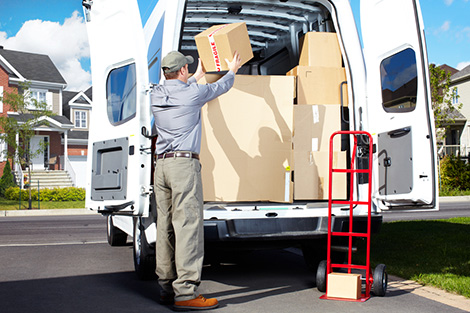
Good loading is half the battle. The right team will usually place larger, heavier items first, then fill gaps with boxes and lighter items so the load stays stable. This reduces movement in transit and cuts down the risk of damage. It also makes unloading faster, which sounds minor until you are on hour three and just want the kettle.
5. Allow for final checks and clear communication
On moving day, keep the key items visible and decisions easy. Tell the movers what stays, what goes, and which items need extra care. If you are leaving a flat, double-check communal areas, meters, cupboards, and loft or storage spaces. If you are leaving a terrace, look in sheds, under stairs, and those little corners where things mysteriously multiply over the years.
Key benefits and practical advantages
There are real benefits to approaching a Streatham Common move with a terrace-or-flat mindset rather than a generic moving checklist.
- Fewer delays: access planning reduces parking stress and last-minute problems.
- Less damage risk: stairs, corners, and narrow hallways are easier to manage when the route is planned in advance.
- Better cost control: the right vehicle and service level can reduce wasted journeys and unnecessary labour time.
- Less stress on the day: knowing what happens first, next, and last keeps the move calmer.
- Improved neighbour relations: especially important in flats, where lifts, shared entrances, and stairwells are communal spaces.
There is also a quieter benefit that people sometimes overlook: confidence. Once you know the plan, the move stops feeling like a threat and starts feeling like a sequence. That shift matters.
If you are comparing service styles, a flexible man and van option can suit smaller household moves, short-notice relocations, or moving a few large items from a flat. If you are dealing with a bigger property, a full domestic move with packing support may be more appropriate, especially where time and access are both tight. You can also explore packing and unpacking services if you want to reduce the household workload rather than simply move boxes around.
Who this is for and when it makes sense
This guide is for anyone moving within or around Streatham Common who lives in a terrace, a purpose-built flat, a converted flat, or a maisonette. It is especially useful if your move has one or more of the following features:
- stair-only access
- limited parking near the property
- shared entrances or narrow communal halls
- large furniture that needs careful manoeuvring
- children, pets, or vulnerable household members needing a calmer process
- multiple fragile items or awkward storage pieces
It also makes sense if you are moving on a weekday, when traffic and time pressure can be more noticeable, or if you are trying to coordinate with a landlord, estate agent, or building manager. You do not need a huge move to justify planning. In fact, smaller moves can be more awkward than they first appear. A one-bedroom flat with a sofa, bed, wardrobe, and a few heavy boxes can become surprisingly fiddly.
In our experience, people usually need this kind of guidance when the move is local but the property access is not easy. That is the real trigger. Not distance. Access.
Step-by-step guidance
Step 1: Measure the obvious troublemakers
Measure large furniture, stair widths, and doorways before moving day. If you do not have exact measurements, at least note which items are likely to be awkward. Sofas, mattresses, wardrobes, fridges, and dining tables are the usual suspects.
Step 2: Decide what is coming with you
This is the moment to separate keeps, donate, dispose of, and unsure. Be honest. If you have not used an item in years and it does not fit your next home, moving it is often more trouble than it is worth. For unwanted household items, services such as furniture pick up can help reduce clutter before the actual move.
Step 3: Handle awkward or restricted items early
Fridges, freezers, mattresses, sofas, and appliances usually need special handling because they are bulky, heavy, or difficult to dispose of responsibly. If you need help with an appliance, a service like fridge and appliance removal can be a very practical add-on. For bedding and larger soft furnishings, mattress and sofa disposal is worth considering rather than trying to squeeze everything into an already crowded move.
Step 4: Pack by priority, not by panic
Pack your essentials last so they are easy to reach first at the new place. Keep documents, chargers, keys, toiletries, and a kettle if you are the sort of person who needs tea before thinking clearly. That is most of us, really.
Step 5: Create a load order
Think about what needs to come off the van first. If the bed frame is at the back under six sealed boxes, you will slow everything down. Good load order saves time and avoids avoidable shuffling.
Step 6: Confirm the handover details
On the day, make sure keys, meter readings, and access arrangements are ready. If you are moving out of a flat with a narrow stairwell, leave room for safe passage. If you are moving out of a terrace, clear the hallway and the front path so nobody has to play obstacle course with a chest of drawers.
Expert tips for better results
Here are the kinds of small details that make a move feel smoother. They are not glamorous, but they save you from the usual headaches.
- Book for the right time of day: early starts can help, especially where parking is tight or roads are busier later.
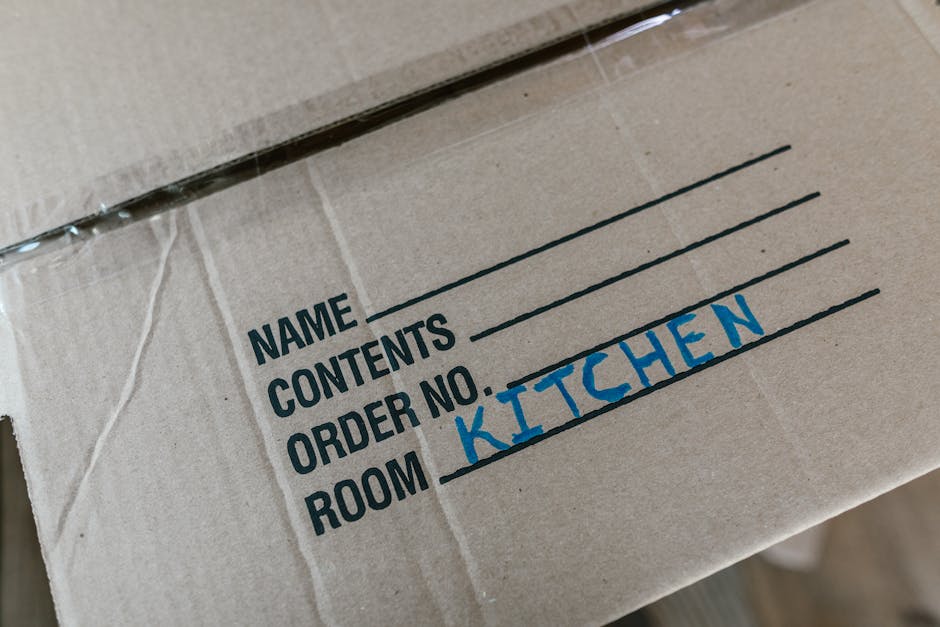
- Label by destination room: "kitchen," "main bedroom," and "study" is enough. You do not need a dissertation on every box.
- Keep tools handy: Allen keys, screwdrivers, tape, scissors, and zip bags for fixings should stay together.
- Protect stair edges and corners: old terraces often have delicate paintwork and narrow landings.
- Use sensible packing weights: a box full of books on a top floor is a backache waiting to happen.
- Tell movers about the awkward stuff: the piano stool, the mirrored wardrobe door, the plant pot that looks light but is somehow the opposite.
One more thing: if you are moving from a flat, check lift access and any building move rules before the day. Even a small delay getting into a lift can throw off a carefully planned schedule. And yes, that is mildly annoying. But it is much less annoying than finding out at 9am.
If you want help keeping the move tidy from start to finish, a combined approach using packing and unpacking services alongside transport can take a surprising amount of pressure off the day. Sometimes the smartest move is simply not doing every part yourself.
Common mistakes to avoid
Most avoidable moving problems fall into a handful of patterns. The good news is that they are easy to spot once you know what to look for.
- Underestimating access issues: people often assume the van can just park outside. Not always.
- Packing too late: the night-before scramble nearly always creates messy boxes and forgotten items.
- Ignoring bulky-item disposal: moving things you no longer want is wasted effort.
- Choosing a vehicle that is too small: extra trips mean extra time, more lifting, and more stress.
- Not checking restrictions: flats and managed buildings may have booking rules or shared-space expectations.
- Failing to protect surfaces: scuffed floors and chipped paint can turn a good move into a frustrating one.
Let's face it, a lot of these mistakes happen because people are trying to keep costs down or save time. Totally understandable. But the cheaper choice is not always the cheaper outcome if it creates damage, delays, or a second trip.
Tools, resources and recommendations
You do not need a warehouse of equipment to move well. A few sensible tools go a long way.
- sturdy packing boxes in mixed sizes
- strong tape and a decent tape dispenser
- bubble wrap or paper for fragile items
- blankets or covers for furniture protection
- marker pens for room labels
- zip bags for screws, brackets, and small fixings
- basic tools for dismantling beds and furniture
If you are clearing a lot of household clutter before the move, look at what can be removed or recycled properly rather than trying to shift everything into the new place. The site's recycling and sustainability information is useful if you want to think more carefully about disposal. For items that cannot simply be kept, checking what can go in a skip can also help you avoid last-minute guesswork, even if you are not hiring a skip yourself.
For pricing questions, it is sensible to compare quotes on a like-for-like basis. The cheapest quote is not always the best value if it excludes labour, waiting time, or awkward access. A clear breakdown matters more than a flashy headline price. If you want to review your options, see pricing and quotes.
Law, compliance, standards, or best practice
For most home removals, the practical rule is simple: move safely, dispose of items responsibly, and respect building and parking arrangements. You do not need to become a legal expert to do that, thankfully.
There are a few sensible best-practice points to keep in mind in the UK:
- Insurance matters: check that the moving provider has suitable insurance and handles goods carefully.
- Health and safety should be real, not decorative: safe lifting, careful carrying, and sensible loading are not optional extras.
- Waste should be handled properly: hazardous items, electricals, and bulky waste may need separate consideration.
- Building rules should be respected: especially in flats, where shared entrances and communal areas are involved.
If you are moving items that need special disposal, do not mix them casually with general household goods. For example, certain chemicals, paints, or pressurised containers may fall into a different category and should be handled with care. If you are unsure, it is better to ask than to improvise. The same applies to hazardous waste disposal.
It is also worth checking the moving company's policy pages if you want reassurance around standards. The pages on health and safety policy, insurance and safety, and payment and security help show how the business approaches the basics. That kind of transparency is a good sign. Quietly reassuring, which is often exactly what you want during a move.
Options, methods, or comparison table
If you are choosing how to handle a terrace or flat move in Streatham Common, the best option depends on volume, access, and how hands-on you want to be.
| Option | Best for | Strengths | Watch-outs |
|---|---|---|---|
| Man and van | Small to medium local moves, single flats, a few large items | Flexible, efficient, often ideal for short local routes | May not suit very large households or heavy item volumes |
| House removalists | Full household moves, terraces, multi-room properties | More support, better for bigger loads, less stress on the day | May be more service-heavy than a smaller move needs |
| Removal truck hire | Large moves with substantial furniture or many boxes | Greater capacity, fewer trips, better for bigger jobs | Needs good access and enough loading space |
| Packing and unpacking support | Busy households, time-poor movers, fragile contents | Reduces workload, improves organisation, saves time | Not always necessary for simple moves |
If you are torn between a small-team move and a larger setup, think honestly about the stairs, the number of heavy items, and whether you want the day to be quicker or simply cheaper. Sometimes the middle option is best. Sometimes not. The point is to match the service to the property, not to the idea of the property.
Case study or real-world example
Here is a typical scenario. A couple moves from a second-floor flat near Streatham Common into a terraced house a short distance away. On paper, it looks like an easy local job. In practice, there are two awkward staircases, a narrow hallway, a sofa that will not bend the way anyone wants it to, and a fridge that needs careful handling.
What made the move smoother was not luck. It was preparation. They measured the sofa and the stairwell before moving day, packed boxes by room and weight, separated items they no longer wanted, and arranged the loading order so the bedroom furniture came off first. They also had the van booked for a time that avoided the worst parking pressure. Nothing magical. Just sensible decisions made early.
The biggest surprise, they said, was how much calmer the move felt once they stopped trying to solve every problem on the morning itself. Truth be told, that is true for most moves. The more decisions you move earlier in the process, the easier the day becomes.
They also used furniture pick up for an old chair and a side table they no longer needed, which reduced the load and gave them more room in the van. Little win, but a real one.
Practical checklist
Use this checklist in the final days before your move. It is simple, but it covers the details that often get missed.
- Measure large furniture and check doorway and stair access
- Confirm parking arrangements for both addresses
- Book the right moving support for your property type
- Label boxes clearly by room and priority
- Separate items to keep, donate, recycle, or dispose of
- Set aside essentials for the first 24 hours
- Disconnect appliances safely and early
- Pack fragile items with enough protection
- Keep tools and fixings in a separate bag
- Check building rules, lift access, and time restrictions if you live in a flat
- Protect floors, banisters, and corners where possible
- Do a final sweep of cupboards, loft spaces, sheds, and storage areas
Quick reminder: if something feels awkward when you lift it at home, it will probably feel awkward on stairs too. Better to plan for that now than discover it halfway down the landing.
Conclusion
A good Streatham Common move is rarely about doing everything yourself and hoping for the best. It is about understanding the property, the access, the volume of items, and the realities of stairs, parking, and time. Terraces and flats each bring their own quirks, but neither has to become a headache if you prepare properly.
Use the right service level, clear your unwanted items early, pack in a way that suits the move, and keep the day organised from the first box to the last key handover. Do that, and you will give yourself a much smoother start in the new place. Not perfect, maybe. But far calmer. And honestly, calmer is usually what people remember most.
Get a free quote today and see how much you can save.
Frequently Asked Questions
What is the best moving option for a terrace in Streatham Common?
It depends on the size of the property and the amount of furniture. For smaller or local terrace moves, a man and van service can be a smart fit. For larger homes with more rooms and heavier furniture, a fuller house moving setup is usually easier.
Are flat moves harder than terrace moves?
Not always, but they can be more access-sensitive. Flats often involve stairs, lifts, and communal areas, while terraces often involve tighter internal routes. The harder move is usually the one with poorer access, not the one with the bigger postcode.
How far in advance should I book a house move?
As early as you can, especially if your move involves a weekend, a top-floor flat, or a lot of bulky furniture. Early booking gives you more choice and more time to plan the awkward bits properly.
Do I need packing help for a local move?
Sometimes yes, sometimes no. If you are busy, have fragile items, or simply do not want to live among half-sealed boxes for a week, packing and unpacking services can make a real difference.
What should I do with furniture I do not want to take?
Separate it early and decide whether it should be reused, removed, or disposed of responsibly. For bulky pieces, furniture pick up is a practical way to reduce the load before moving day.
Can large appliances be moved safely in a flat or terrace?
Yes, but they need care. Fridges, freezers, and similar items are heavy, awkward, and easy to damage walls with if handled badly. That is why fridge and appliance removal is useful for these kinds of items.
What if my building has parking or lift restrictions?
Tell your mover early. Shared buildings often have rules, booking windows, or access limits. If you leave it until the day, you may lose time or have to improvise. And improvising with a wardrobe on a staircase is rarely fun.
How do I avoid damaging walls and bannisters?
Measure first, protect the route where you can, and make sure large furniture is carried by people who know how to manoeuvre it safely. Good communication helps, too. One person calling the turns clearly can prevent a lot of bumps and scrapes.
What should I compare when looking at moving quotes?
Look at what is included, not just the headline price. Check access assumptions, number of movers, vehicle size, and whether there are extra charges for waiting or bulky items. You can review pricing and quotes for a clearer starting point.
Can I move and dispose of unwanted items in the same trip?
Often yes, if the items are suitable and the moving plan allows it. Some people combine removal with disposal to save time. For bigger or awkward household items, services such as mattress and sofa disposal can help keep the move cleaner and simpler.
What is the main mistake people make with Streatham Common moves?
The biggest mistake is underestimating access. People focus on the contents of the home and forget the route in and out. In terraces and flats, the route is half the move. Sometimes more.
Where can I learn more about the company before booking?
If you want background on who you are dealing with, the about us page is a useful place to start. You can also use contact us if you want to ask a practical question before booking.
Is it worth getting help with a small flat move?
Yes, if the stairs are tight, the parking is awkward, or you have furniture that is difficult to handle alone. A small move can still be surprisingly tiring. A bit of support can save your back and your patience, which is no small thing.